
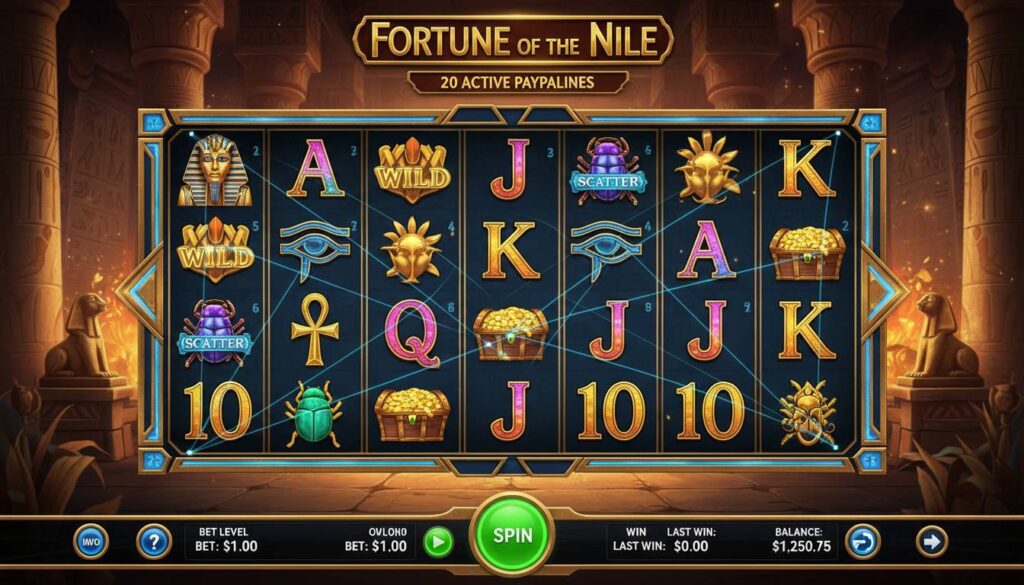
Online slot machines are the digital evolution of the classic casino slot game, combining sophisticated technology with the thrill of chance. Understanding how these games function can enhance your gaming experience and help you make informed decisions about when and how to play. Whether you’re a curious beginner or looking to deepen your knowledge, this guide breaks down the mechanics, mathematics, and features that power every spin.
The Foundation: Random Number Generators
At the core of every online slot machine is a Random Number Generator (RNG). This sophisticated software algorithm continuously generates sequences of random numbers, even when no one is playing. When you press the spin button, the RNG selects a random number for each reel position, determining exactly where each reel will stop.
The RNG ensures that every spin is completely independent and unpredictable. Previous spins have no influence on future outcomes—the notion that a machine is “due” for a win is a common misconception. Each spin operates on pure mathematics, with the RNG producing thousands of number combinations per second (Techopedia, November 2024).
Licensed and regulated online casinos use certified RNGs that are regularly tested by independent auditing firms like eCOGRA and iTech Labs. These tests verify that the RNG operates fairly and produces genuinely random results. You can typically find certification information in the casino’s footer or the game’s information section.
Reels, Paylines, and Winning Combinations
Traditional mechanical slot machines had physical reels with a limited number of symbols—typically three reels with about 10 symbols each. Online slots have largely transcended these limitations, offering games with five, six, or even seven reels and hundreds of possible symbol combinations.
How Reels Work
Each reel in an online slot contains various symbols, and the number of symbols per reel can range from as few as 10 to over 100. When you spin, the digital reels display different symbols that align along specific lines called paylines. A payline is a predetermined pattern where matching symbols must land to create a winning combination.
Modern online slots often feature multiple paylines—some games offer 10, 20, 25, or even hundreds of ways to win. “Ways to win” mechanics eliminate traditional paylines entirely, instead awarding prizes when matching symbols appear on adjacent reels from left to right, regardless of their specific position.
Symbol Types
The symbols you encounter fall into several categories:
Standard symbols are the regular icons that create winning combinations. Higher-value symbols typically relate to the game’s theme, while lower-value symbols are often card suits or classic fruit icons.
Wild symbols act as jokers, substituting for other symbols to complete winning combinations. Some wilds expand to fill entire reels, while others come with multipliers or the ability to stack.
Scatter symbols typically trigger bonus features regardless of their position on the reels. Landing three or more scatters often activates free spins or bonus games.
Bonus symbols activate specific game features, ranging from simple pick-me games to elaborate interactive bonus rounds with storylines and guaranteed prizes.
Return to Player: Understanding the Mathematics
Return to Player (RTP) represents the theoretical percentage of all wagered money that a slot machine will pay back to players over time. If a game has an RTP of 96%, it means that, theoretically, for every $100 wagered, $96 will be returned to players as winnings—though this plays out over millions of spins, not individual sessions.
The house edge is the mathematical advantage that ensures casinos remain profitable. A 96% RTP corresponds to a 4% house edge. It’s crucial to understand that RTP is a long-term statistical average. In any single session, you could win significantly more than the RTP suggests, lose everything, or land somewhere in between.
Most online slots feature RTP rates between 92% and 98%. Games with higher RTPs theoretically offer better value over time, though this doesn’t guarantee wins in any given session. You can usually find a game’s RTP in its paytable or game information section.
The position of a slot machine on the Las Vegas Strip averages around 92-94% RTP, while many online slots offer 96% or higher, making internet-based games potentially more favorable from a mathematical standpoint (University of Las Vegas Center for Gaming Research, 2024).
Volatility and Variance Explained
Volatility (also called variance) measures the risk level of a slot machine and describes how payouts are distributed. Understanding volatility helps you choose games that match your playing style and bankroll management strategy.
Low Volatility Slots
These games pay out frequently but typically offer smaller amounts. Low volatility slots are ideal for players who want extended play sessions and prefer consistent, smaller wins to chase massive jackpots. If you have a limited budget or want to play for fun without risking rapid losses, low volatility games offer a safer experience.
High Volatility Slots
High volatility slots pay out less frequently but offer the potential for substantial wins. These games appeal to players willing to accept longer losing streaks in exchange for the chance at life-changing payouts. Progressive jackpot slots typically fall into this category.
Medium Volatility
Most online slots fall somewhere in between, offering a balance of regular small wins with occasional larger payouts. Medium volatility games suit the majority of players seeking a balanced experience.
Game developers usually indicate volatility levels in game descriptions, though this isn’t always explicitly stated. Some casinos and review sites categorize slot volatility to help players make informed choices.
Bonus Features and Special Mechanics
Modern online slots extend far beyond simple spinning reels, offering numerous bonus features that enhance gameplay and winning potential.
Free Spins
One of the most common bonus features, free spins allow you to play without wagering additional money. Triggered by landing scatter symbols (typically three or more), free spin rounds often include enhanced features like multipliers, extra wilds, or expanding symbols that increase your chances of winning.
Some games offer retriggerable free spins, meaning you can earn additional free spins during the bonus round itself, potentially extending your play significantly.
Multipliers
Multipliers increase the value of any winning combination by a specified factor. A 2x multiplier doubles your win, while a 10x multiplier multiplies it by ten. Multipliers can appear during base gameplay, but they’re especially valuable during bonus rounds where multipliers often reach 20x, 50x, or higher.
Bonus Games
Many slots feature interactive bonus games that go beyond simple reel spins. These might involve picking objects to reveal prizes, spinning wheels for random rewards, or navigating through levels to unlock increasing payouts. Bonus games add variety and engagement beyond the core spinning mechanic.
Cascading Reels and Avalanche Features
Also known as “cascading reels” or “avalanche” features, these mechanics remove winning symbols after they pay out, allowing new symbols to fall into their place. This can create chain reactions where a single spin produces multiple winning combinations, increasing the total payout potential.
Megaways and Dynamic Reels
Megaways mechanics, developed by Big Time Gaming and now licensed to various providers, randomly determine how many symbols appear on each reel with every spin—potentially offering thousands of ways to win. Some games feature dynamic or “tall” reels that can expand during gameplay, adding rows and increasing winning possibilities.
Progressive Jackpots: How They Grow
Progressive jackpot slots represent some of the most exciting games in online casinos, offering the potential for life-altering payouts that can reach into the millions.
How Progressives Work
A small percentage of every wager placed on a progressive slot contributes to a central jackpot pool. This pool continues growing until a lucky player triggers the jackpot, at which point it resets to a predetermined minimum amount and begins accumulating again.
Types of Progressive Jackpots
Standalone progressives are linked only to a single game, meaning the jackpot grows from wagers on that specific slot only. These jackpots tend to be smaller but hit more frequently.
Networked or linked progressives pool wagers from multiple games across multiple casinos, creating massive jackpot pools that grow rapidly. These are the jackpots that make headlines, sometimes reaching tens of millions of dollars before being won.
Must-hit-by jackpots have guaranteed payout thresholds. For example, a jackpot might be programmed to pay out before reaching $5,000 or after hitting $10,000, creating tension and often attracting players who time their play around these thresholds.
The odds of winning a major progressive jackpot are extremely slim—often comparable to winning a state lottery. While someone inevitably wins these jackpots, the vast majority of players will never trigger the top prize.
Playing Responsibly
Understanding how slot machines work goes hand in hand with responsible gambling practices. These games are designed for entertainment, and the mathematical reality is that most players will lose money over time.
Setting Limits
Before playing, establish a strict budget and never gamble with money you can’t afford to lose. Many online casinos offer responsible gambling tools including deposit limits, session time reminders, and self-exclusion options. Using these tools helps maintain control over your gambling activity.
Recognizing Problem Signs
Warning signs of problematic gambling include chasing losses, spending more than intended, gambling to escape problems, lying about gambling activity, or experiencing relationship or financial difficulties due to gambling. If any of these apply to you, resources like the National Council on Problem Gambling (1-800-522-4700) provide confidential support.
Understanding Odds Realistically
No strategy can overcome the mathematical house edge built into slot machines. There’s no way to predict when a machine will pay, no “hot” or “cold” streaks that predict future results, and no skill component that improves your odds. Treat slot play as entertainment with a set cost, not as an investment or income source.
Frequently Asked Questions
Can I improve my chances of winning on online slots?
No strategy can change the fundamental mathematics of slot machines. The RNG ensures completely random outcomes on every spin. However, choosing games with higher RTP percentages and lower volatility can extend your play time and provide better theoretical value over many sessions. Managing your bankroll effectively helps you play longer within your budget.
Are online slot machines rigged?
Licensed and regulated online casinos use certified Random Number Generators that are tested by independent auditors. These certifications ensure games operate fairly and produce genuinely random results. Reputable casinos display their licensing information and testing certifications prominently. Stick to licensed operators to ensure fair play.
What is the best time to play online slots?
There’s no optimal time to play—RNGs produce random results regardless of time, day, or month. Progressive jackpots don’t become “due” at certain times; they pay out randomly based on mathematical probability. Playing at times that are convenient for you and fit your schedule is the only relevant consideration.
Do slot machines pay more at certain times?
This is a common myth. Online slots don’t adjust their payout rates based on time of day, week, or month. Each spin is independent and random. Casinos and game developers can’t program games to pay more or less at specific times—the RNG doesn’t work that way.
How do I know if a slot game is fair?
Look for licensing information from reputable jurisdictions (like Malta, Gibraltar, or the UK), certification from testing agencies like eCOGRA, iTech Labs, or GLI, and published RTP percentages in the game’s paytable. Research the game developer—established companies with positive reputations are more likely to produce fair games.
What is the difference between online and land-based slot machines?
Both use RNGs to determine outcomes, but online slots typically offer higher RTP percentages, more game variety, bonus features like free spins and interactive bonus games, and convenience of play from anywhere. Land-based slots offer the social experience of playing in a casino and physical interaction with the machine. The core random outcome mechanism is similar in both formats.
Conclusion
Online slot machines combine Random Number Generator technology with engaging themes, bonus features, and various volatility levels to create entertaining gaming experiences. Understanding how these games work—particularly the role of RNGs, RTP percentages, and volatility—helps you approach them with realistic expectations.
Remember that slot machines are entertainment products designed for the casino’s profit. The mathematical house edge ensures that, over time, players as a group will lose money. Play responsibly by setting budgets, using casino-provided tools, and viewing any winnings as a pleasant bonus rather than expected income.
Choose licensed casinos with certified games, understand the specific rules and features of any slot you play, and most importantly, gamble only with money you can afford to lose. When approached responsibly, understanding how online slots work can make your gaming experience more informed and enjoyable.