
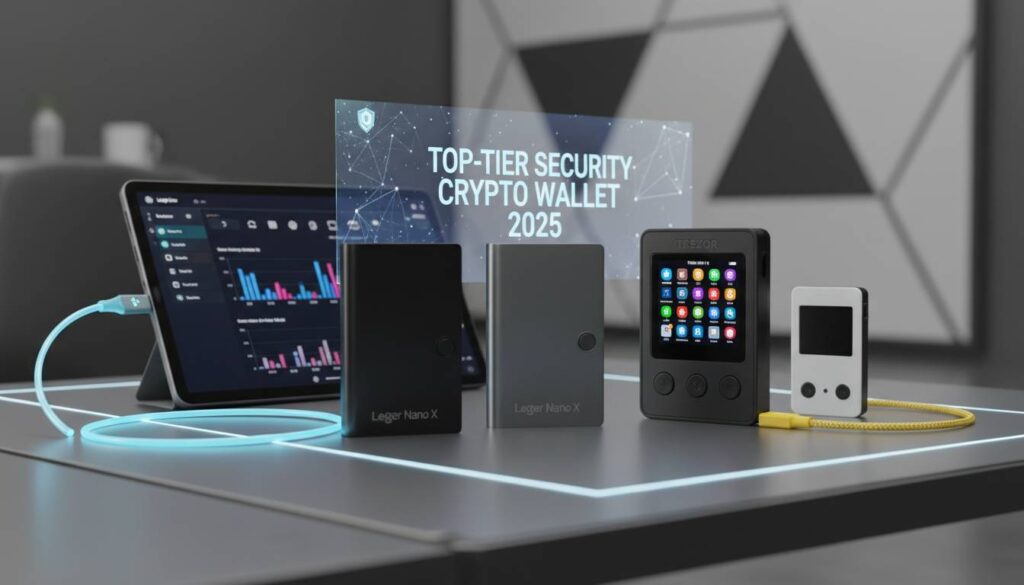
The cryptocurrency landscape in 2025 looks quite different from even a few years ago. Digital asset adoption has accelerated across the United States, and more Americans are looking for ways to store, manage, and trade their crypto safely. With hundreds of options available—from mobile apps to hardware devices—picking the right wallet comes down to understanding what actually matters: security, features, and how easy it is to use. This guide breaks down the top crypto wallets of 2025, looking at what they do well, where they fall short, and who should consider each one.
Understanding Crypto Wallets: Hot vs. Cold Storage
Before getting into specific recommendations, it’s worth understanding the basic split between hot wallets and cold wallets.
Hot wallets connect to the internet. These include mobile apps, desktop applications, and web-based platforms. They’re convenient for frequent trading and quick transactions. The tradeoff is that being online always creates some vulnerability to hacking and cyber threats.
Cold wallets store cryptocurrency offline. Hardware wallets like Ledger and Trezor fall into this category. These devices keep your private keys away from internet-connected devices, making them much harder to compromise remotely. If you’re holding substantial amounts of crypto or plan to hold for years, cold storage is worth considering.
Most people benefit from some combination of both. Keep a smaller amount in a hot wallet for everyday access, and store the bulk of your holdings in a hardware wallet.
Top Crypto Wallets for 2025
Crypto.com App – Best Overall
Crypto.com has built out one of the more complete ecosystems in the space. The app combines a straightforward interface with solid security features, making it a reasonable choice whether you’re just starting out or have been trading for years.
The wallet supports over 250 cryptocurrencies—Bitcoin, Ethereum, Solana, and plenty of altcoins and meme tokens. Security-wise, they keep 100% of customer funds in cold storage, offer two-factor authentication, biometric login, and an insurance policy covering up to $750,000 per user.
The mobile app ties into their exchange, so you can move money between your wallet and trading accounts quickly. You can also stake several Proof-of-Stake cryptocurrencies directly in the app and earn passive income on holdings. The linked Visa Card works at over 80 million merchants worldwide and offers up to 5% cashback, which is genuinely useful if you actually spend crypto.
Exodus – Best for User Experience
Exodus has made a name for itself with strong design and intuitive navigation. The interface makes blockchain interactions less intimidating, which matters if you don’t have a technical background. It’s available on desktop, mobile, and even a hardware device, with a consistent experience across all three.
The wallet supports over 300 assets and includes built-in trading through the Exodus Exchange with reasonable rates. Transparency is a priority here—real-time market data and portfolio performance show up in a clean, easy-to-read format. There’s also a built-in NFT gallery for Ethereum and Solana tokens.
Security features include password protection, two-factor authentication, and a recovery phrase option. Customer support is available 24/7 through live chat, which is genuinely helpful when something goes wrong.
Coinbase Wallet – Best for Beginners
Coinbase Wallet comes from the largest US-based crypto exchange, which makes it a natural fit for people just getting started. It connects easily with the Coinbase trading platform, so you can buy crypto with a bank account or debit card and move those funds to your personal wallet.
The wallet supports a wide range of cryptocurrencies and gives you access to decentralized applications (dApps) and decentralized exchanges (DEXs). It’s non-custodial, meaning you control your private keys—important if self-sovereignty matters to you.
What sets Coinbase Wallet apart for beginners is the educational content. In-app tutorials explain blockchain concepts in plain language, so you’re not just clicking buttons without understanding what’s happening. The wallet also works with hardware wallets, so you can step up your security later as your portfolio grows.
Trust Wallet – Best Mobile Wallet
Trust Wallet has become the go-to mobile option, with over 60 million users worldwide. It started focused on mobile accessibility and has grown into a full ecosystem for managing digital assets from your phone.
The wallet supports an extensive range of blockchains and tokens—Bitcoin, Ethereum, Binance Smart Chain, and many others. The built-in Web3 browser lets you interact with decentralized apps, participate in Initial Game Offerings (IGOs), and access DeFi protocols directly from the mobile interface.
Security features include biometric authentication, custom node support for better privacy, and the ability to view private keys for backup. You can also stake Proof-of-Stake assets without running your own node, which simplifies earning rewards.
Ledger Nano X – Best Hardware Wallet
If maximum security is your priority, the Ledger Nano X is the most popular cold storage option. Private keys stay on a secure element chip inside the device, meaning they never leave the hardware during transaction signing.
The Nano X connects to mobile devices via Bluetooth, so you can manage your crypto on the go while keeping your private keys air-gapped from your phone or computer. It supports over 1,800 cryptocurrencies and tokens—more than most hardware wallets.
Ledger’s companion app, Ledger Live, handles portfolio management, balance checking, and installing apps for different cryptocurrencies. You can also stake directly from the app, which is convenient for earning rewards on cold-stored assets.
How to Choose the Right Crypto Wallet
Picking a wallet comes down to a few practical questions.
Security should be your starting point, especially if you’re holding meaningful amounts. Hardware wallets offer the best protection but cost money and add a step or two to transactions.
Asset support matters. Not every wallet supports every cryptocurrency or token. If you’re holding something specific, verify it’s supported before you commit.
Features vary widely. Some people want DeFi access and staking. Others just need to send and receive. Make sure your chosen wallet actually does what you need.
Fees are worth understanding. Most wallets are free to download, but you’ll pay network fees when you send transactions. These vary based on blockchain congestion. Some wallets also add extra fees for in-app trading.
User experience matters more than it might seem. A confusing interface leads to mistakes. Try a few with small test amounts before moving significant money.
Security Best Practices for Crypto Storage
Whatever wallet you choose, good security habits are essential.
Enable two-factor authentication and biometric locks everywhere they’re available. Never share your recovery phrase with anyone, and store it somewhere secure offline—a safe deposit box works well.
Consider the “cold storage with a hot spare” approach: hardware wallet for most holdings, smaller amount in a mobile wallet for daily access. This balances security with convenience.
Keep your wallet apps and firmware updated. Only download from official sources. Watch out for phishing attempts and double-check URLs before entering anything sensitive.
Conclusion
The crypto wallet market in 2025 has something for every situation. Crypto.com App works well as an all-around option with solid features and security. Exodus is worth a look if design and simplicity matter to you. Coinbase Wallet is the easiest entry point for newcomers. Trust Wallet is the best mobile-focused choice. And for cold storage, the Ledger Nano X remains the standard.
The right wallet for you depends on what you actually need—how you trade, what you hold, and how much security matters. Take time to evaluate your options and follow good security practices, and you’ll be in a solid position to manage your digital assets.
Frequently Asked Questions
What is the safest crypto wallet for beginners in 2025?
Coinbase Wallet is a good starting point for beginners. It ties into the regulated Coinbase exchange, has educational content built in, and offers straightforward security without being overwhelming.
Are crypto wallets safer than keeping funds on exchanges?
Generally, yes. With a non-custodial wallet, you control your private keys. Exchange hacks can and do happen—if your crypto is on an exchange and gets stolen, you may have no recourse. Wallets, especially hardware wallets, keep your assets under your control.
Can I use multiple crypto wallets simultaneously?
Absolutely. Many people do. A common setup: hardware wallet for long-term storage, mobile wallet for daily spending and trading.
Do crypto wallets charge fees for transactions?
The wallet itself usually doesn’t charge fees, but you’ll pay network fees to send transactions on blockchains. These vary based on congestion and which crypto you’re sending.
What happens if I lose my crypto wallet?
You recover your funds using your recovery phrase (seed phrase). This is why storing it securely and offline is critical. Lose the phrase and lose access—there’s usually no recovery option.
Should I use a hardware wallet even for small amounts?
For very small holdings, a hardware wallet might be overkill. But if you plan to add to your crypto over time, the investment in a hardware wallet becomes worthwhile as your portfolio grows.