
The Web3 job market has undergone a remarkable transformation over the past decade, evolving from a niche interest into a thriving industry employing hundreds of thousands of professionals worldwide. According to LinkedIn’s 2023 Emerging Jobs Report, blockchain-related roles have grown by 33% year over year, making it one of the fastest-growing career categories in technology. For professionals seeking to transition into this space, the opportunity is substantial—but so is the competition.
Key Insights
– Blockchain developer roles command 30-50% salary premiums over traditional software positions
– The U.S. leads globally in Web3 job postings, with over 14,000 open positions as of 2024
– Non-technical roles in marketing, operations, and community management represent 60% of available positions
– Remote work availability in Web3 exceeds 80%, significantly higher than traditional tech sectors
This comprehensive guide provides a strategic roadmap for entering the Web3 workforce, covering everything from skill development to landing your first position in this dynamic industry.
Understanding the Web3 Job Market Landscape
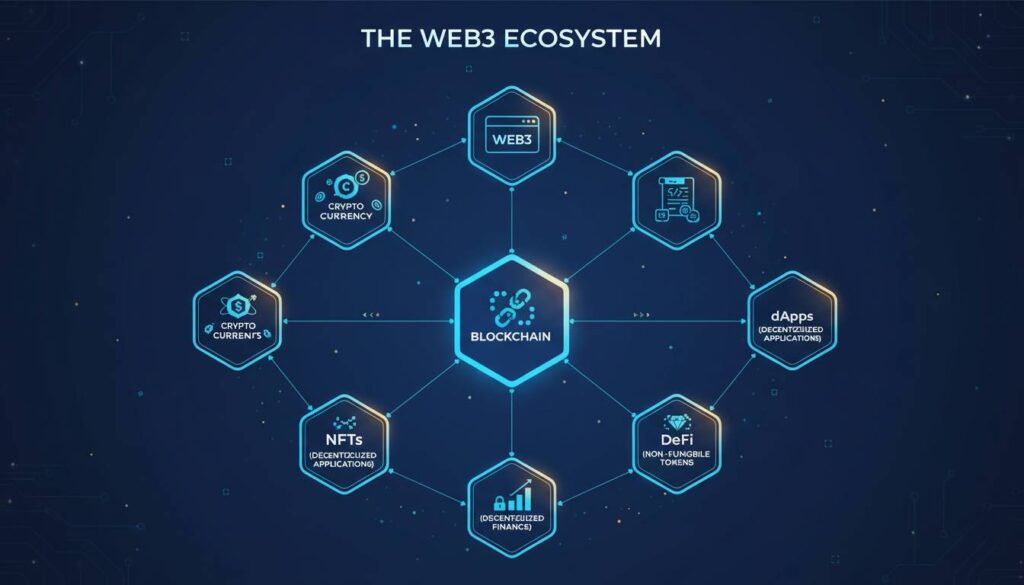
The Web3 ecosystem encompasses far more than cryptocurrency trading and smart contract development. It represents a fundamental shift in how applications are built, how ownership is managed, and how communities organize economically. This broad definition means the job market spans technical development, design, marketing, operations, legal compliance, and community management.
— Metana – Web3 bootcamp (@MetanaHQ) August 7, 2025
Market Size and Growth
The global blockchain market is projected to reach $1.2 trillion by 2030, according to Grand View Research, driving sustained demand for talent across all functional areas. Major enterprises including Goldman Sachs, IBM, Walmart, and Microsoft have established dedicated blockchain divisions, while thousands of startups continue to launch with venture capital backing. The 2024 funding landscape shows Web3 companies raised over $8 billion in the first half alone, indicating continued investment in team building.
Geographic Distribution
While the United States maintains the highest concentration of Web3 positions, particularly in hubs like New York, San Francisco, Austin, and Miami, remote work has democratized access to opportunities. European cities including London, Berlin, Lisbon, and Zug have emerged as significant centers, while Asian markets in Singapore, Dubai, and Hong Kong offer substantial roles. For U.S.-based job seekers, the combination of remote flexibility and competitive compensation makes this an exceptionally accessible field.
Types of Organizations Hiring
The Web3 workforce distributes across several organizational categories, each with distinct cultures and compensation structures. Decentralized protocols and DAOs (Decentralized Autonomous Organizations) often offer token-based compensation alongside traditional salaries, presenting both upside potential and regulatory complexity. Blockchain infrastructure companies like Chainlink, Polygon, and Alchemy provide more traditional employment models with competitive benefits. Venture-backed startups typically balance equity packages with market-rate salaries, while enterprise blockchain divisions within traditional companies offer stability and career progression paths familiar to corporate professionals.
Top Web3 Career Paths and Role Definitions
Understanding available career paths requires distinguishing between technical and non-technical tracks, each offering multiple entry points and advancement opportunities.
Are you BUILT DIFFERENT? 💪
If you answered yes, then dive into the SKALE Ecosystem Job Board and find your dream role in Web3!
Whether you’re a developer, marketer, or innovator, shape the future of blockchain: https://t.co/ph04VtMqB0
— SKALE (@SkaleNetwork) September 10, 2024
Technical Roles
Blockchain Developer
— udao (@udao_official) October 8, 2025
Blockchain developers constitute the most in-demand technical position, with salaries ranging from $120,000 to $400,000+ depending on experience and specialization. Core responsibilities include designing and implementing smart contracts, building decentralized applications (dApps), and maintaining blockchain infrastructure. Proficiency in Solidity (Ethereum’s programming language), Rust, or Go has become essential, while understanding of cryptography, consensus mechanisms, and token economics distinguishes senior developers.
Full-Stack Web3 Engineer
Full-stack roles bridge traditional web development with blockchain integration, requiring skills in React, TypeScript, and backend frameworks alongside Web3 libraries like Ethers.js and Wagmi. These positions often command $150,000-$350,000 in total compensation and offer the broadest range of job opportunities across both startup and enterprise environments.
Security Engineer
With smart contract vulnerabilities responsible for over $3.8 billion in losses since 2021 (according to Chainalysis), security expertise commands premium compensation. Security engineers earn $180,000-$500,000+ and specialize in auditing code, penetration testing, and implementing security best practices. Certifications from organizations like CertiK and formal training in common vulnerability patterns have become de facto requirements.
Non-Technical Roles
Product Manager
🔹 Why join ByYoung Career Day?
✅ Get insights from industry leaders
✅ Learn about Web3 careers at Bybit
✅ Discover how to land your dream job🎙️ Live Q&A + Fast-Track Interview
Got questions? Ask them live and get a chance for a fast-track interview with Bybit! 🚀— Bybit (@Bybit_Official) March 19, 2025
Product managers in Web3 earn $140,000-$300,000 and bridge technical development with market needs. Unlike traditional product roles, Web3 PMs must understand tokenomics, community dynamics, and decentralized governance structures. Experience with agile methodologies and technical literacy—rather than coding ability—provides the foundation for success.
Growth Marketing and Community Management
Community managers and growth marketers earn $80,000-$200,000 and focus on building and engaging user communities, managing social media presence, and driving adoption. These roles require deep understanding of crypto-native culture, excellent communication skills, and the ability to navigate rapidly evolving market narratives.
Operations and Business Development
Operations roles spanning HR, finance, and legal earn $100,000-$250,000 and handle the organizational functions that keep Web3 entities running. Given regulatory uncertainty surrounding cryptocurrency, legal and compliance expertise has become particularly valuable, with specialized attorneys commanding $200,000-$600,000.
Building Your Technical Foundation
Regardless of career path, developing Web3 literacy provides significant competitive advantage—even for non-technical positions. The learning journey typically spans three to twelve months depending on prior experience and time investment.
Recommended Technical Learning Path
For those pursuing technical roles, structured learning should progress through foundational concepts before specialization. Beginning with blockchain fundamentals—understanding how distributed ledgers function, consensus mechanisms operate, and transactions validate—provides necessary context. Resources including the Ethereum Foundation documentation, a16z’s crypto canon, and academic courses from Princeton or Stanford offer strong starting points.
Programming skills develop most effectively through project-based learning rather than passive consumption. Building and deploying smart contracts on test networks, participating in hackathons, and contributing to open-source projects demonstrate practical capability far more effectively than certifications alone. The GitHub profiles of candidates carry substantial weight in technical hiring decisions.
Non-Technical Learning Strategy
Professionals targeting non-technical roles should focus on developing domain expertise in their chosen functional area while building Web3-specific knowledge. Understanding token economics, governance mechanisms, and industry dynamics provides foundation for meaningful contribution. Following leading analysts on platforms like Twitter/X, reading project whitepapers, and participating in community discussions accelerate knowledge acquisition.
Certifications have emerged as valuable signals, particularly for career changers lacking direct Web3 experience. Programs from organizations like ConsenSys (for Ethereum development), the Blockchain Council, and various bootcamps provide structured learning and credentialing that hiring managers recognize.
Constructing Your Web3 Portfolio
In the Web3 hiring process, demonstrated capability outweighs traditional credentials. Building a compelling portfolio requires strategic project selection and thoughtful documentation.
Technical Portfolio Components
Technical candidates should target three to five substantial projects demonstrating range and depth. These might include a deployed smart contract with meaningful functionality (defi protocols, NFT marketplaces, or DAO governance systems), a frontend application integrating with blockchain data, or contributions to established open-source projects. Each project should include clear documentation explaining technical decisions, challenges overcome, and potential improvements—demonstrating not just capability but thoughtful engineering judgment.
GitHub repositories should reflect professional-quality code: clear documentation, appropriate testing coverage, and README files that would help another developer understand and extend the work. Many hiring managers specifically review commit histories to assess sustained engagement rather than last-minute project assembly.
Non-Technical Portfolio Approaches
Non-technical roles require different portfolio elements. Community managers should document engagement metrics from Discord or Telegram communities they’ve built or managed. Marketers can present campaign results, content performance data, or community growth statistics. Product managers might develop case studies analyzing existing protocols or present product specs for hypothetical features.
Writing samples carry particular weight in Web3 hiring, as the industry’s emphasis on documentation and transparency translates to strong writing expectations. Publishing analysis of projects, explaining technical concepts for general audiences, or contributing to industry publications demonstrates communication ability while building personal brand.
Navigating the Job Search Process
Finding Web3 positions requires understanding where opportunities are posted and how hiring processes differ from traditional technology recruiting.
Job Search Platforms and Resources
While LinkedIn maintains relevance, Web3-specific job boards often surface more relevant opportunities. Platforms including CryptoJobs, Web3.career, Remote3, and AngelList’s crypto section aggregate postings from across the ecosystem. Following companies of interest on Twitter and subscribing to their newsletters ensures access to roles before they reach broader distribution. Many positions—particularly in startups—fill through network referrals rather than public postings.
The Hiring Process Timeline
Web3 hiring typically proceeds faster than traditional technology recruiting, with many positions filled within two to four weeks of posting. Initial screening often occurs through technical assessment or portfolio review, followed by one to three interview rounds. Technical roles commonly include coding challenges or live pair programming sessions, while senior positions may include take-home projects or protocol design discussions.
Remote-first culture means most interviews occur via video conference, though some companies bring candidates on-site for final rounds. Time zone flexibility is valued, and many teams operate asynchronously, so demonstrating comfort with written communication during the interview process signals cultural fit.
Compensation Negotiation
Web3 compensation structures often include equity or token allocations alongside cash salary. Understanding these components requires researching the specific project’s token, its market position, and vesting schedules. Resources like Glassdoor, compensation databases from companies like Levels.fyi, and community discussions provide market data for negotiation. Professionals should evaluate total compensation including equity upside while considering personal risk tolerance and belief in the project’s potential.
Avoiding Common Career Transition Mistakes
Understanding pitfalls that derail other Web3 job seekers helps navigate the journey more effectively.
Mistake #1: Over-Specializing Too Early
Many candidates invest exclusively in one blockchain or use case, limiting their opportunities when the market shifts. Ethereum dominates development roles, but Solana, Avalanche, Polygon, and Layer 2 solutions offer substantial opportunities. Maintaining flexibility while developing depth provides the best career optionality.
Mistake #2: Ignoring Traditional Business Skills
Technical candidates sometimes dismiss marketing, operations, and communication abilities, but the most successful Web3 professionals combine technical literacy with business acumen. Understanding how to communicate with investors, users, and team members across varying technical sophistication distinguishes senior contributors.
Mistake #3: Chasing Short-Term Gains
The volatility of token compensation creates temptation to prioritize short-term gains over long-term career building. Accepting positions with unsustainable token packages or joining projects primarily for immediate upside often leads to career disruption when market conditions shift. Evaluating opportunities based on team quality, product potential, and personal growth provides more sustainable career outcomes.
Mistake #4: Neglecting Regulatory Awareness
Given ongoing regulatory uncertainty in the United States and globally, professionals should develop basic understanding of securities law, money transmission regulations, and sanctions compliance. This knowledge protects both personal career and the organizations employing them.
Salary Expectations and Career Progression
Compensation in Web3 reflects the industry’s growth stage, with talent scarcity driving premium compensation compared to traditional technology roles.
| Role Level | Base Salary Range | Total Compensation (with equity) |
|---|---|---|
| Junior Developer | $80,000 – $120,000 | $100,000 – $180,000 |
| Mid-Level Developer | $120,000 – $180,000 | $180,000 – $300,000 |
| Senior Developer | $180,000 – $250,000 | $300,000 – $500,000 |
| Staff/Principal | $250,000 – $350,000 | $400,000 – $800,000+ |
Non-technical roles typically compensate 20-40% below technical positions at equivalent experience levels, though senior leadership roles in marketing and operations can achieve comparable total compensation through equity participation.
Career progression follows paths familiar from traditional technology: individual contributor tracks advancing through senior and principal levels, or management tracks leading teams and eventually organizations. The relatively young nature of the industry means career ceilings remain undefined, with exceptional performers reaching executive positions within three to five years.
Frequently Asked Questions
What skills are most in demand for Web3 jobs in 2024?
Solidity development remains the most requested technical skill, followed by Rust, TypeScript, and general blockchain infrastructure knowledge. For non-technical roles, community management experience, content creation ability, and understanding of crypto-native culture drive hiring decisions. Regardless of role, demonstrating genuine interest in decentralized systems and ability to learn rapidly outweighs specific skill checklists.
Do I need a computer science degree to get a Web3 job?
No. While technical roles require programming ability, many successful Web3 professionals entered from non-traditional backgrounds including physics, mathematics, economics, and humanities fields. Bootcamp graduates and self-taught developers regularly land positions at top protocols. Portfolio quality, demonstrated learning ability, and technical literacy matter more than formal credentials.
How long does it take to transition into a Web3 career?
Transition timelines vary significantly based on prior background and time investment. Technical professionals with existing software development experience often transition within three to six months of focused learning. Non-technical professionals typically require six to twelve months to develop sufficient domain knowledge and build compelling portfolios. Those without prior technology experience may require twelve to eighteen months of dedicated preparation.
Are Web3 jobs stable compared to traditional tech roles?
The Web3 industry experiences higher volatility than traditional technology, with market cycles affecting hiring demand and company viability. However, professionals with transferable skills—programming ability, product management fundamentals, marketing expertise—can transition between Web3 and traditional roles as conditions change. Building broad skill foundation while maintaining network connections across both sectors provides the most stable career trajectory.
What are the best companies to work for in Web3?
The “best” depends on individual priorities: compensation, mission alignment, team culture, and growth opportunity. Leading infrastructure companies (Chainlink, Polygon, Alchemy), established protocols (Ethereum, Uniswap, Aave), and well-funded startups across various sectors all offer compelling opportunities. Researching team backgrounds, token economics, and community sentiment helps identify organizations matching personal values and career objectives.
Is remote work common in Web3?
Remote work exceeds 80% availability in Web3, significantly higher than traditional technology sectors. Most companies operate asynchronously with distributed teams across multiple time zones. This flexibility allows professionals to work for U.S. companies while living abroad, or to choose location based on personal preference rather than office proximity. However, some companies maintain hub locations for in-person collaboration and team building.
Conclusion
The Web3 career landscape presents exceptional opportunity for professionals willing to invest in skill development and navigate the industry’s unique characteristics. With competitive compensation, high remote work availability, and growing demand across both technical and non-technical functions, the field offers viable paths for diverse backgrounds and career stages.
Success requires more than technical ability: understanding token economics, navigating community dynamics, and building genuine expertise in decentralized systems distinguishes competitive candidates. The portfolio-based hiring process rewards demonstrated capability over credentials, meaning structured learning combined with project building provides the most effective pathway forward.
For those willing to commit to continuous learning and adapt to rapid industry evolution, Web3 careers offer meaningful work on transformative technology alongside compensation matching or exceeding traditional technology roles. The time to begin the journey is now—with strategic preparation and persistent effort, landing your dream blockchain position remains entirely achievable.